
You walk through a pipe. Fish use the rest of the volume.
I will not use the operator's gallery brand names. You need working labels: the shark tunnel, the jellyfish gallery, the rest of the tanks as rooms of water you pass on a loop.
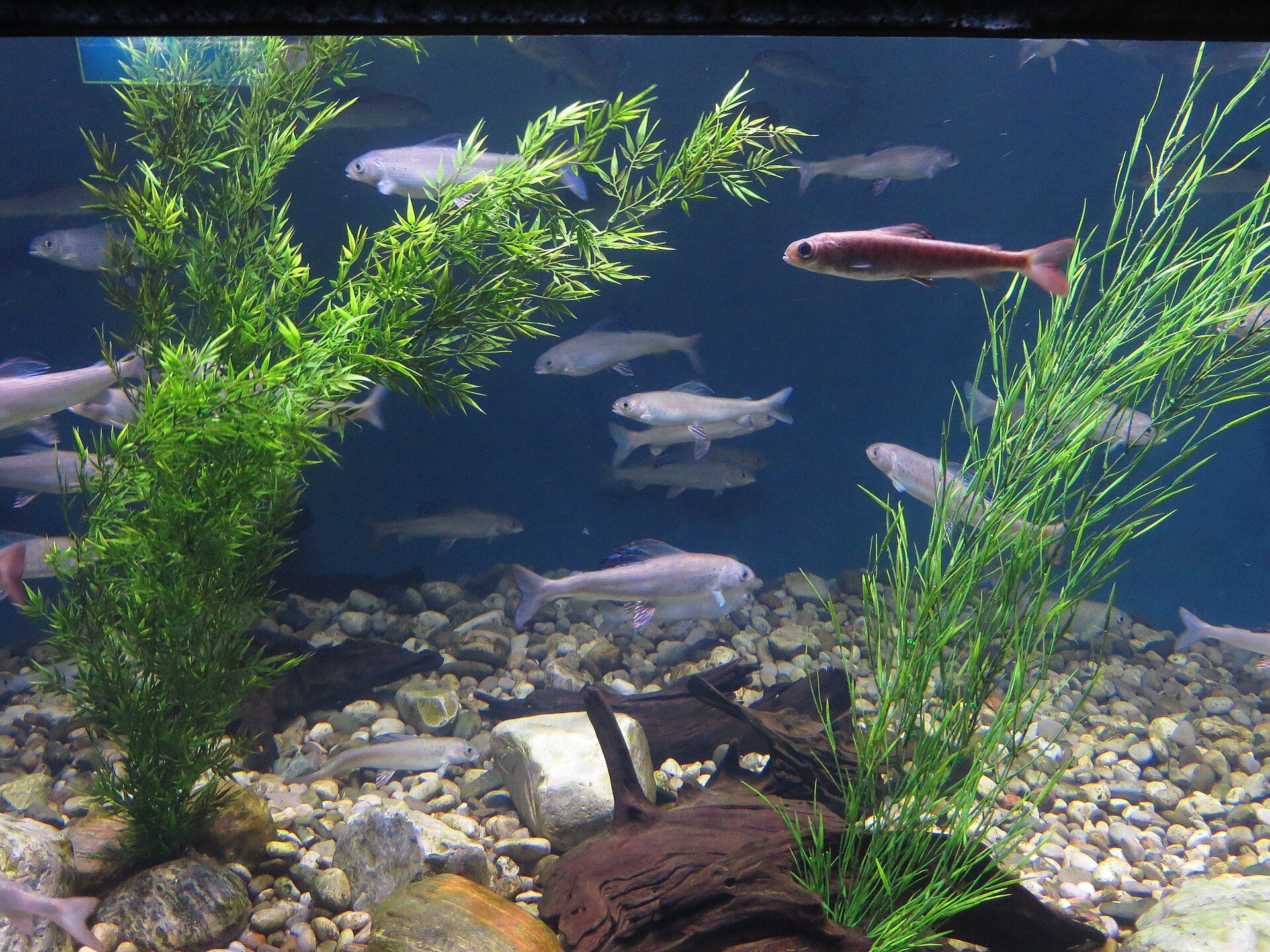
The shark tunnel
The tunnel is acrylic thick enough to hold a building's worth of water over your head. Rays and sawfish use the volume above. Sharks use the longer water. You use a moving walkway that was designed for a crowd, not for a private glide. On a quiet weekday it feels like a slow river. On a busy day it moves at stroller pace because that is what is on it: strollers, stopped phones, and people who did not expect to share the belt.
You cannot step off into the water. You cannot pause the belt for a perfect frame without everyone behind you learning patience. If a toddler still needs a nap, this is a poor room to discover that fact. The tunnel is dim, loud in a muffled way, and longer than it looks on a map.
The rest of the loop
Galleries before and after the tunnel are ordinary public rooms with glass on one face. They are where you recover from the belt. They are also where school groups collect. I never loved the cafe. Food is not why you came downtown, and the seating is not a rest for a family that is already tired. Eat before you walk from Union, or after, somewhere that is not trying to be both gift shop and lunch.
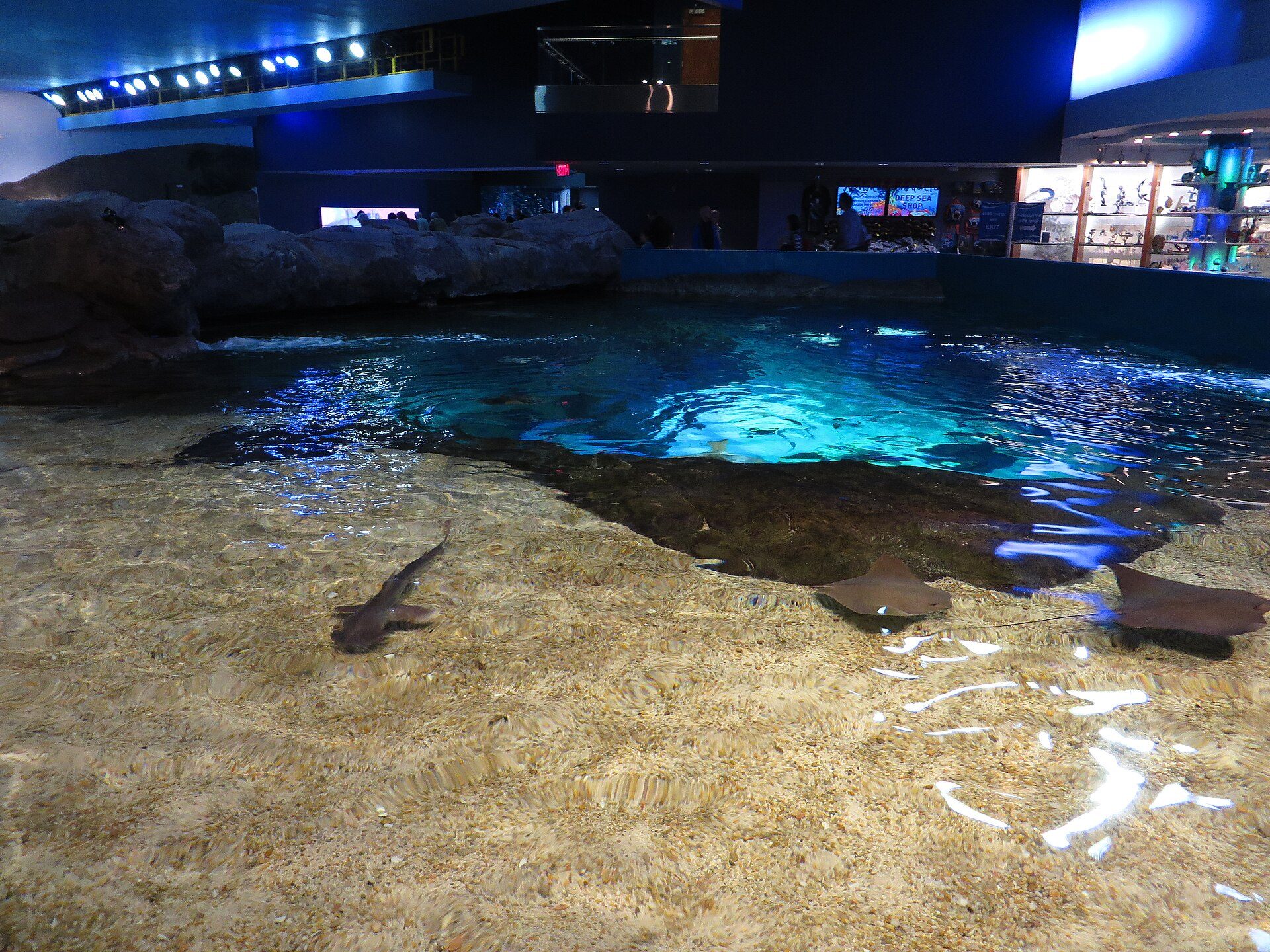
What lives overhead, in plant language
The show animals are not my trade. My trade was keeping the volume they swim in from turning. You will see sharks, rays, sawfish, and the jellyfish gallery as a separate dark stop. That is enough map. If you need species lists, you are on the operator's ground, not mine.
Paul Bergen · water notes, not a ticket window